This is an interim version of our Archives and Manuscripts Catalogue while we continue to recover from a cyber-attack.
This catalogue is currently browse-only. The collection item request form is not available at the moment but will be reopened from Monday 15 December. Find out more about our current collection access suspension.
Search
Search Constraints
You searched for:Collection AreaEndangered Archives ProgrammeLanguageUndetermined
The whole collection consists of palm-leaf manuscripts (762) and paper manuscripts (87) kept at four different buildings/repositeries. The whole collection of manuscripts is under the responsibility of the monastery, along with the Lao Buddhist Fellowship Organization, Luang Prabang province. The...
Collection Area:
Endangered Archives Programme
Languages:
Burmese, Khun, Lao, Pali, Tai languages, Thai, and Undetermined
Palm-leaf manuscripts housed at the Kuti [abode] of Pha Khamchan Virachitto
Scope & Content:
The largest repositery is based in the old Kuti (abode) of Pha Khamchan Virachitta Maha Thera (1920–2007), the former abbot of Vat Saen Sukharam. Roughly three-quarters of the manuscripts deal with religious matters. Doctrinal teachings (Suttanta), Jataka tales, but also Anisong (blessing) texts ...
This text is about result of the merit that is gained by writing, sponsoring, listening, keeping and paying respect to the Akalavattasut story. The colophon mentions Kunla Chantha Pannya ([Sa]thu Kaenchan) as sponsor. Date of original material: CS 1282 (kot san year); 1920. 38 folios
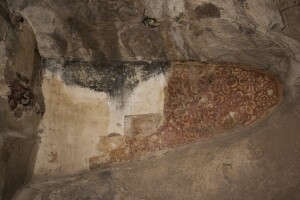
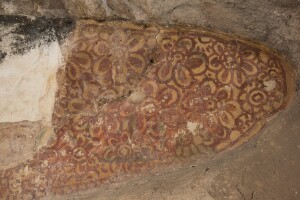
The paintings must have been added between the 15th-17th centuries on the walls probably during Vijayanagar period and on the ceilings during Chola period. The paintings are of various geometrical and other designs, besides Samavasaraṇa (is the divinely constructed celestial assembly hall from w...
Tirumalai Jain Rock Cut Cave. Outside Rock [16th Century]
Scope & Content:
The narrow cell which opens into a flight of steps that leads to a cave is painted in rich tapestry of colours, even in the dark and dingy corners of the cave probably done by the Jain monks who had lived in these caves. The walls are painted with rich colours depicting deities, symbols, their id...